From edge AI sensing to an integrated SoC
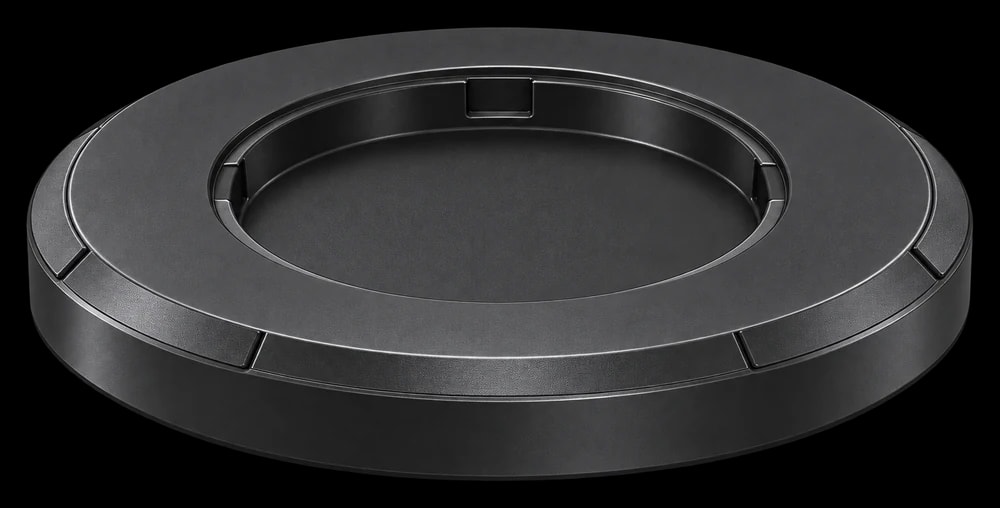
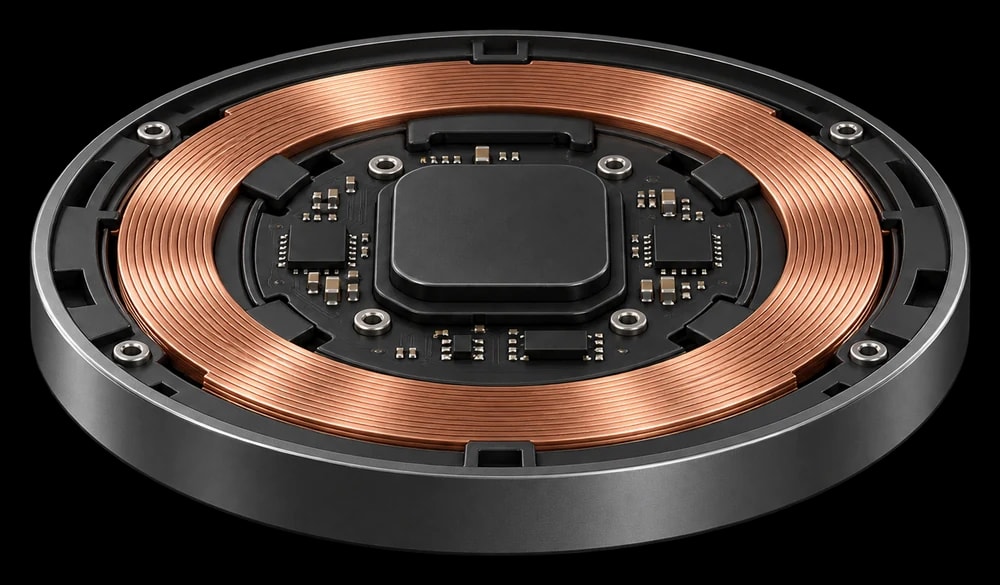
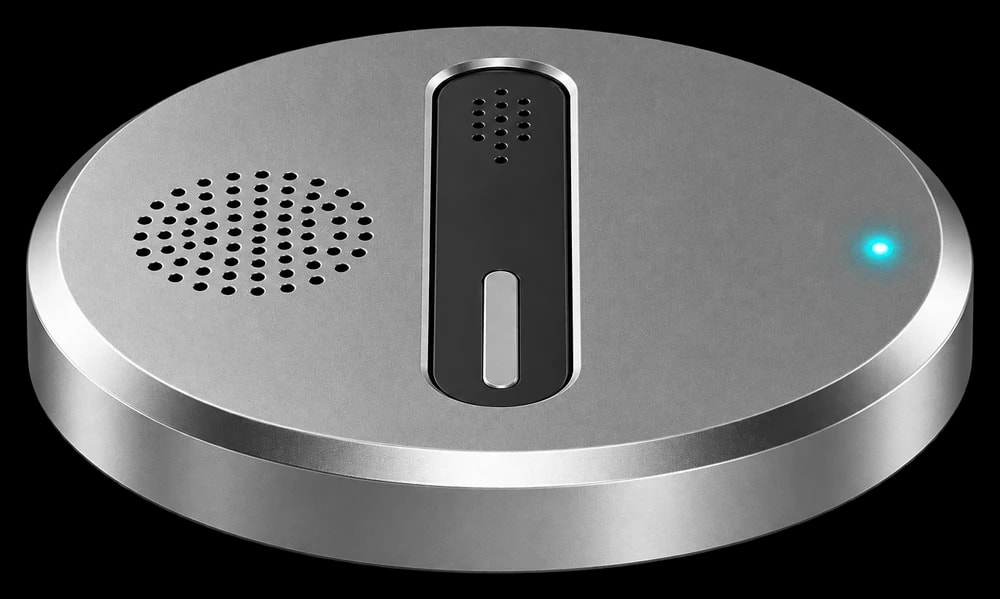
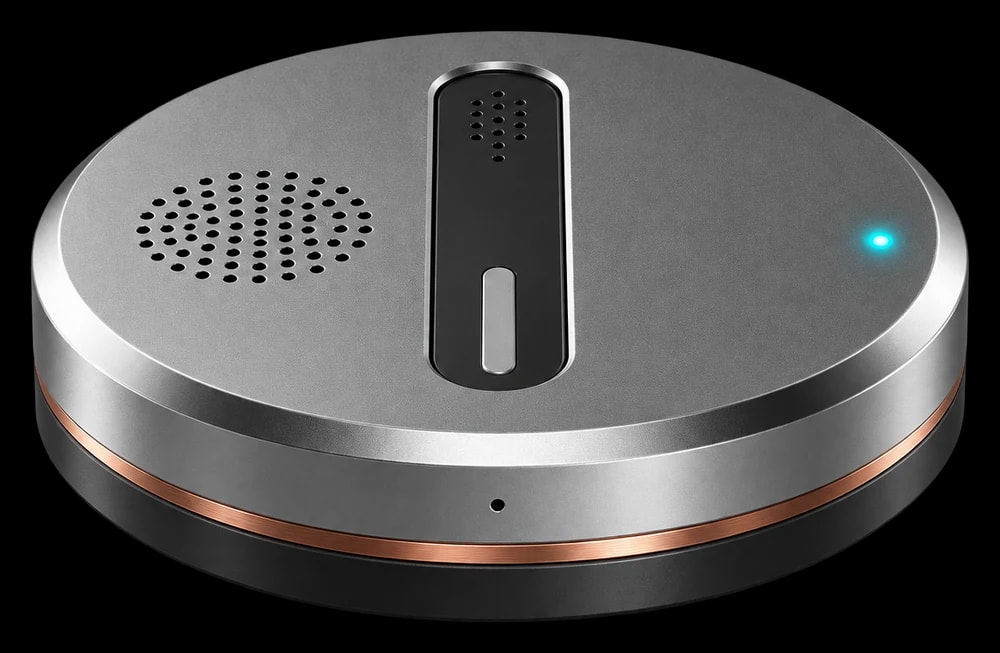
Ultra-low-power edge AI and UWB sensing make the decisions safety and care sites need, right where the data is created.Compact scream-detection module
A portable magnetic form factor for industrial safety helmets and related equipment. An ultra-low-power NPU analyzes nearby audio and relays an emergency request over BLE.
- 1–2 mNear-field audio detection
- Alif B1Ultra-low-power NPU
- BLEEmergency relay
- MagneticDetachable helmet mount
Conventional approach
False positives — Ambient noise is easily mistaken for distress
Noise — Recognition quality drops in loud environments
ECHOIT approach
False positives — Multiple models tell voices apart from everyday noise
Noise — A scream-detection model built for extreme noise
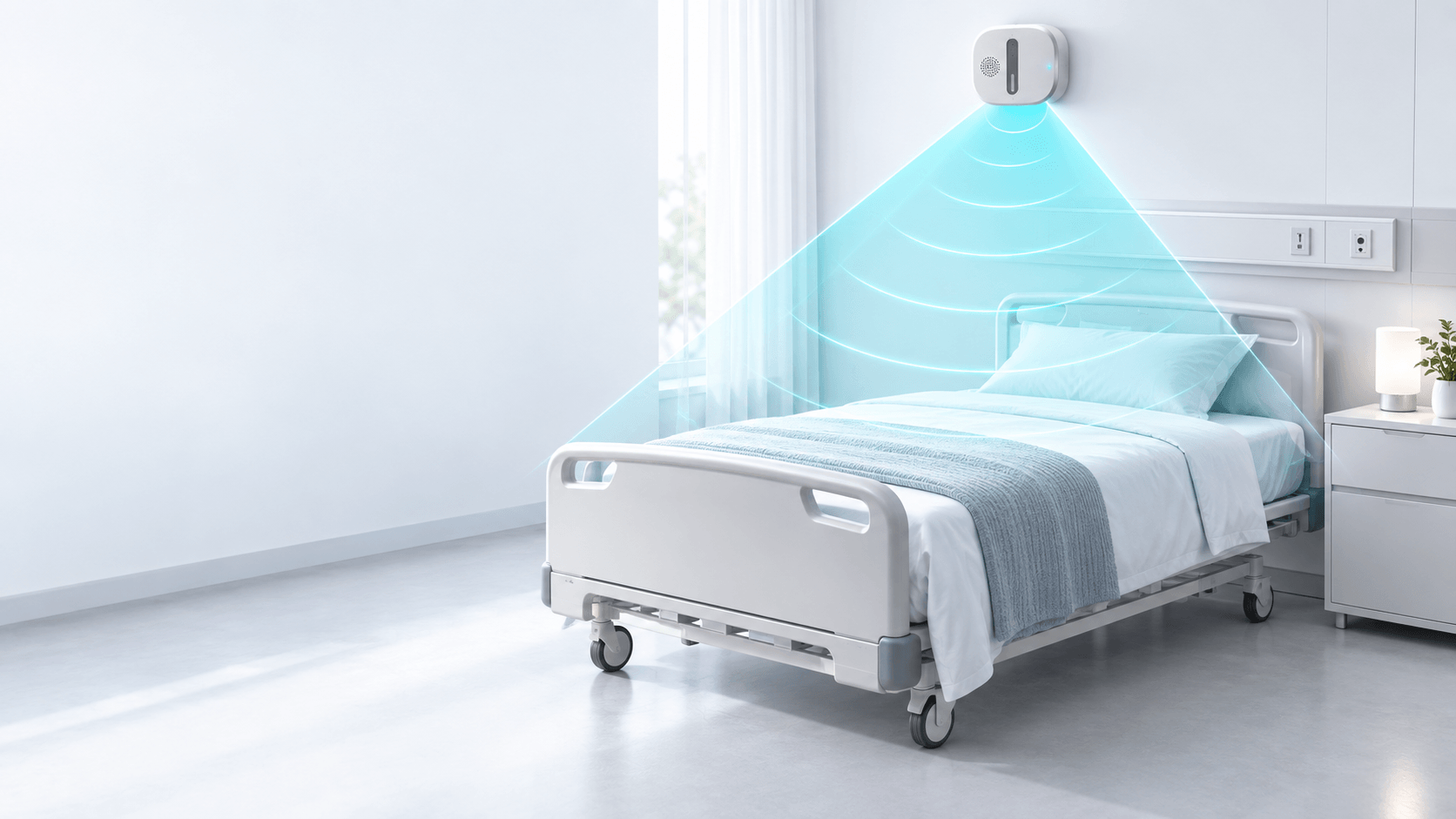
Contactless UWB radar solution
The solution analyzes 7–9 GHz ultra-wideband reflections to detect breathing and subtle movement without a camera, targeting continuous monitoring in focused spaces such as beds and bathrooms.
- 7–9 GHzUltra-wideband reflections
- 1 mmBreathing and subtle movement
- No cameraContactless, image-free sensing
Conventional approach
Detection — Large movement or visual information
Privacy — Blind spots and exposure of visual information
ECHOIT approach
Detection — Breathing and subtle biological movement
Privacy — Contactless sensing without a camera
One roadmap toward an integrated SoC
The roadmap begins with ultra-low-power sensing hardware, connects through AI orchestration, and expands toward an integrated NPU and UWB SoC — software and devices designed together for B2B and B2G sites.
01
Validate field sensing
Compact scream detection
Contactless UWB radar
02
Connect AI orchestration
Unify the two sensing tracks
Expand into enterprise solutions
03
Integrate the SoC
Integrated NPU and UWB design
Fabless capability from design to production
Design sensing around your field conditions.
Tell us about your safety or care environment and the signals you need to detect.