SAP Cloud ERP adoption and migration
New build or ECC migration, what to settle first is what stays standard.ECHOIT is an SAP Silver Partner that has implemented and run SAP ERP since 2008, with more than 1,000 implementation and operations references. From that experience, adopting SAP Cloud ERP is a decision about an operating model, not about a product. Whether you are implementing ERP for the first time or migrating an SAP ECC you already run, the first question is the same: what can the standard replace today, and what is genuinely your competitive edge.
Only once that line is drawn do the edition, the licence volume, the migration scenario, the schedule, and the cost rest on anything. It matters especially because SAP Cloud ERP (Public) supports only new builds, not system conversion, so this judgement comes before the product choice. Mainstream maintenance for SAP ECC 6.0 ends in 2027, and optional extended support in 2030.
SAP Cloud ERP is an operating model, not a product name
Cloud ERP is not the same software delivered over the internet; it is a different split of who is responsible for what. SAP takes on the servers, the database, and the regular upgrades, and in return the organisation accepts standard processes. What separates Public from Private is likewise not a feature list but that boundary of responsibility, and how many companies share the infrastructure.
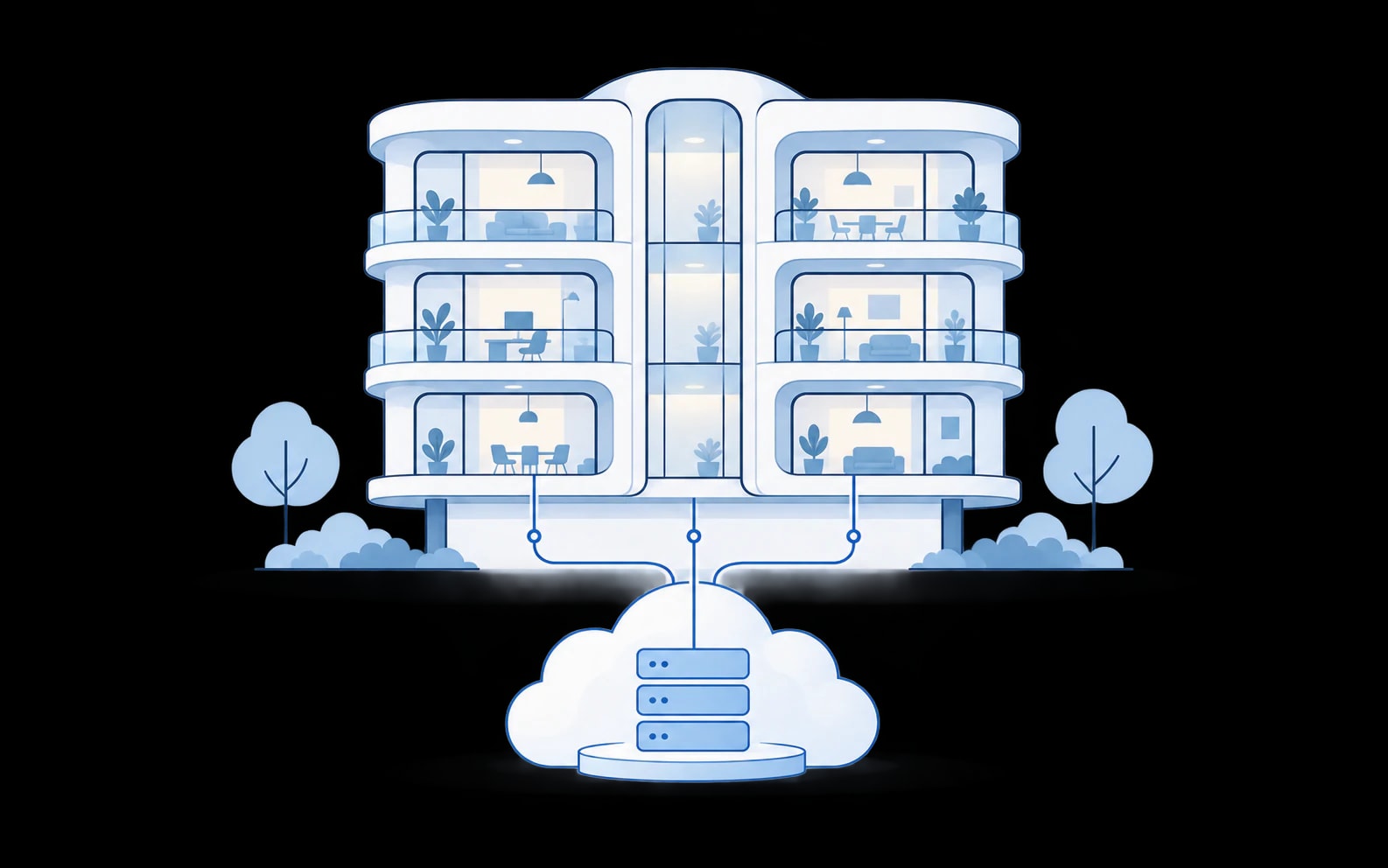
Multi-tenant — SAP Cloud ERP (Public)
Closer to an apartment building shared by several tenants. The core structure and resources, the wiring and the plumbing, are shared, while each home is its own locked space. You can change the interior but not the structure of the building. In return, standardisation and outsourcing lower the total cost of ownership, and SAP applies the upgrades for you.
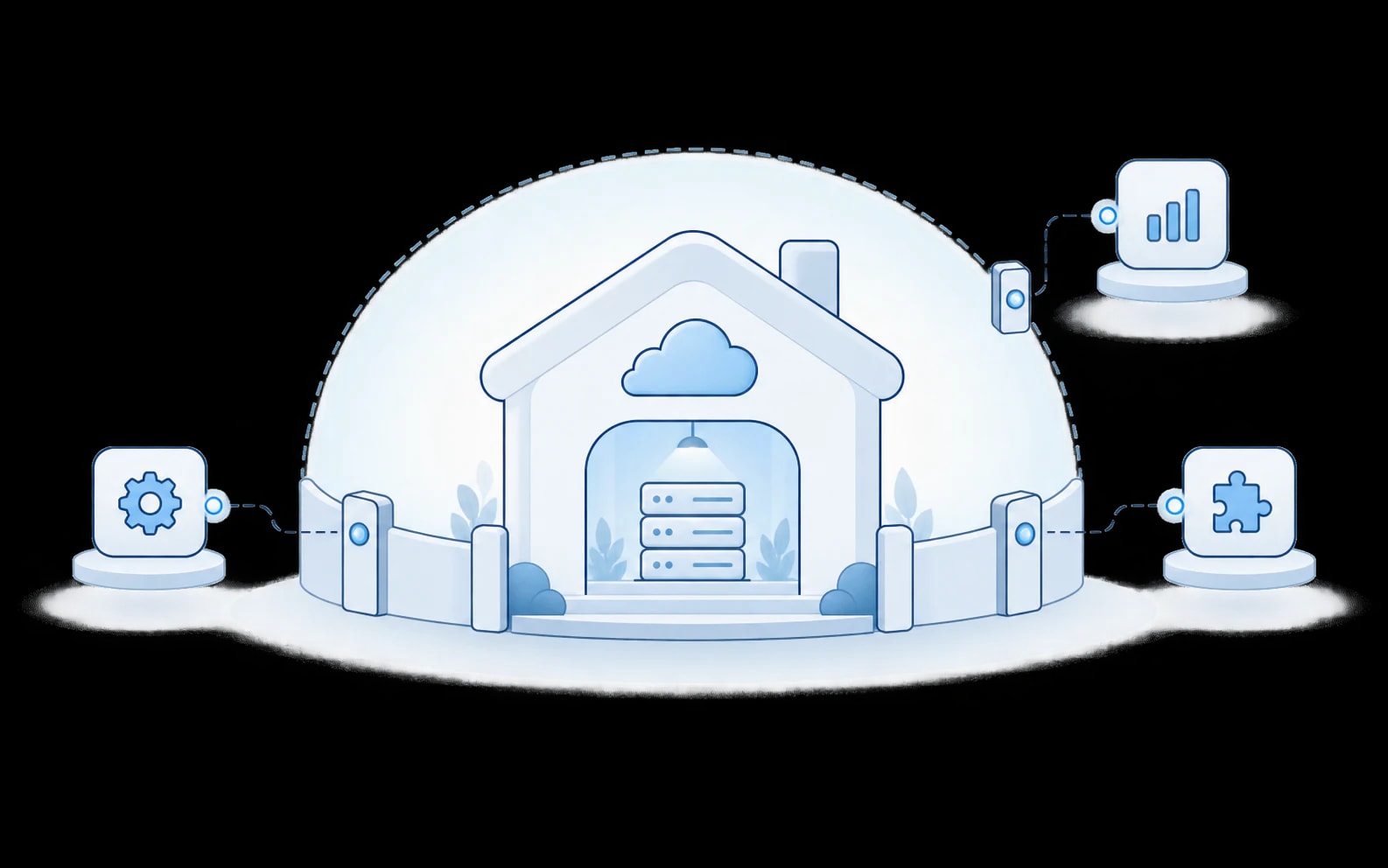
Single-tenant — SAP Cloud ERP Private
Closer to a detached house you occupy whole. You have full freedom to customise, structural changes included, and access to the system back end. SAP still maintains the infrastructure and technical software, so you can take the control while handing over the operational load.
Who is responsible for what
| Layer | SAP | ECHOIT | Customer |
|---|---|---|---|
| Infrastructure · OS · DB | Builds and runs it | — | — |
| Regular upgrades | Provides and applies releases | Verifies the impact | Approves when it applies |
| Extension development | Provides the extension platform | Designs and builds | Fixes the requirement |
| Business processes | Provides standard processes | Runs Fit-to-Standard | Decides on adopting the standard |
| Operations · incidents | Platform SLA | Application operations | Business judgement |
The partner's role follows the advisory, implementation, and application management services SAP defines. For SAP Cloud ERP Private, hosting is chosen between SAP data centres and hyperscalers (Azure · AWS · Google Cloud · Alibaba Cloud).
Three situations that call for an SAP Cloud ERP decision
Greenfield
New implementation and standardisationCompanies defining group standard processes afresh, with a go-live date already fixed.
- How far the standard is accepted
- Fit-to-Standard gaps
- change management
Brownfield
Responding to ECC end of maintenanceCompanies that must set a migration date while keeping existing SAP ECC assets and accumulated custom code.
- Custom code impact
- data migration scope
- downtime
Hybrid
Partial migration and 2-tierCompanies splitting head office on Private and subsidiaries or new entities on Public, or carving finance out as a shared service.
- Consolidated accounting basis
- interface policy
- master data governance
The migration scenario is decided by data and custom code, not by the schedule
Greenfield (new build), brownfield (system conversion), and selective data transition are names of methods, not options on a menu. Which of them is possible is decided by the state of your current system, and that state shows up in three assessments.
Standard-led new build
Conversion of the existing system
Selective data transition
custom code impact analysis
Using SAP's Custom Code Migration tool and ATC (ABAP Test Cockpit) checks, we identify the objects with an actual usage history. What share of registered custom objects is genuinely in use is measured system by system, and clearing the unused ones cuts both the migration scope and the test effort. What remains is compared against the S/4HANA Simplification List and sorted into needs fixing, can be replaced, and retire.
data migration scope and accounting consistency
Whether to move every document-level record or only balances and open items is an accounting and audit decision, not a technical one. Before fixing the scope, ECHOIT confirms the closing basis, retention periods, and tax and audit requirements, and documents the result in a migration design and verification scenarios. Master data keeps its quality after go-live only if ownership and maintenance rules are defined along with the cleansing.
interfaces and downtime constraints
Integration with surrounding systems is judged not by count but by the share of real-time, batch, and file-based methods and their business criticality. ECHOIT looks first for a pre-packaged integration in the SAP Signavio Process Navigator and, failing that, composes one from APIs in the SAP Business Accelerator Hub. Pre-packaged integrations are maintained by SAP while custom ones stay with the customer's IT team, so this distinction decides much of the long-run operating load. Add the downtime you can allow at go-live and the migration approach is all but narrowed.
The edition is decided by how far you can adopt the standard, not by comparing features
SAP calls the same product three different things. The commercial bundles are GROW with SAP and RISE with SAP, the official names are SAP Cloud ERP and SAP Cloud ERP Private, and the technical product names are SAP S/4HANA Cloud Public and Private Edition. Whatever the name, comparing the two editions as feature lists settles nothing. The difference lies not in how much functionality there is but in a precondition: how far you can take the standard processes as they come. So the review starts not with a product specification but with characterising the processes you run today.
| Decision axis | SAP Cloud ERP (Public) | SAP Cloud ERP Private |
|---|---|---|
| Commercial bundle | GROW with SAP | RISE with SAP |
| Standardisation | Pre-configured processes first | Continuity of current processes reviewed |
| Starting point | New build only · no system conversion | System conversion · new build · selective migration |
| Extension model | Key user · developer · side-by-side | Key user · legacy · side-by-side |
| Upgrades | Applied automatically twice a year (February · August) | Major release every 2 years · at least once in 7 |
| Licence unit | PUPM · per user per month | FUE · full use equivalent |
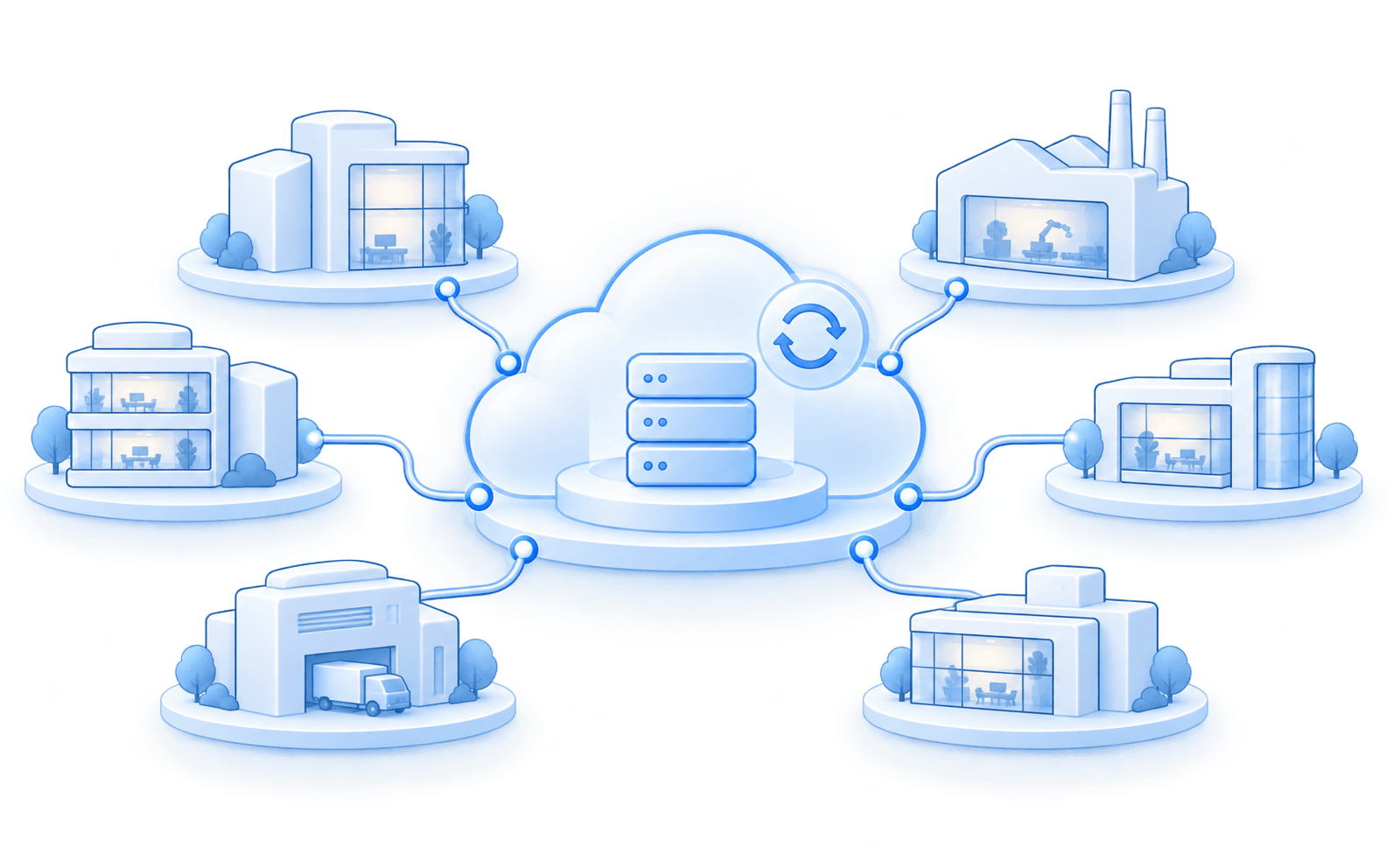
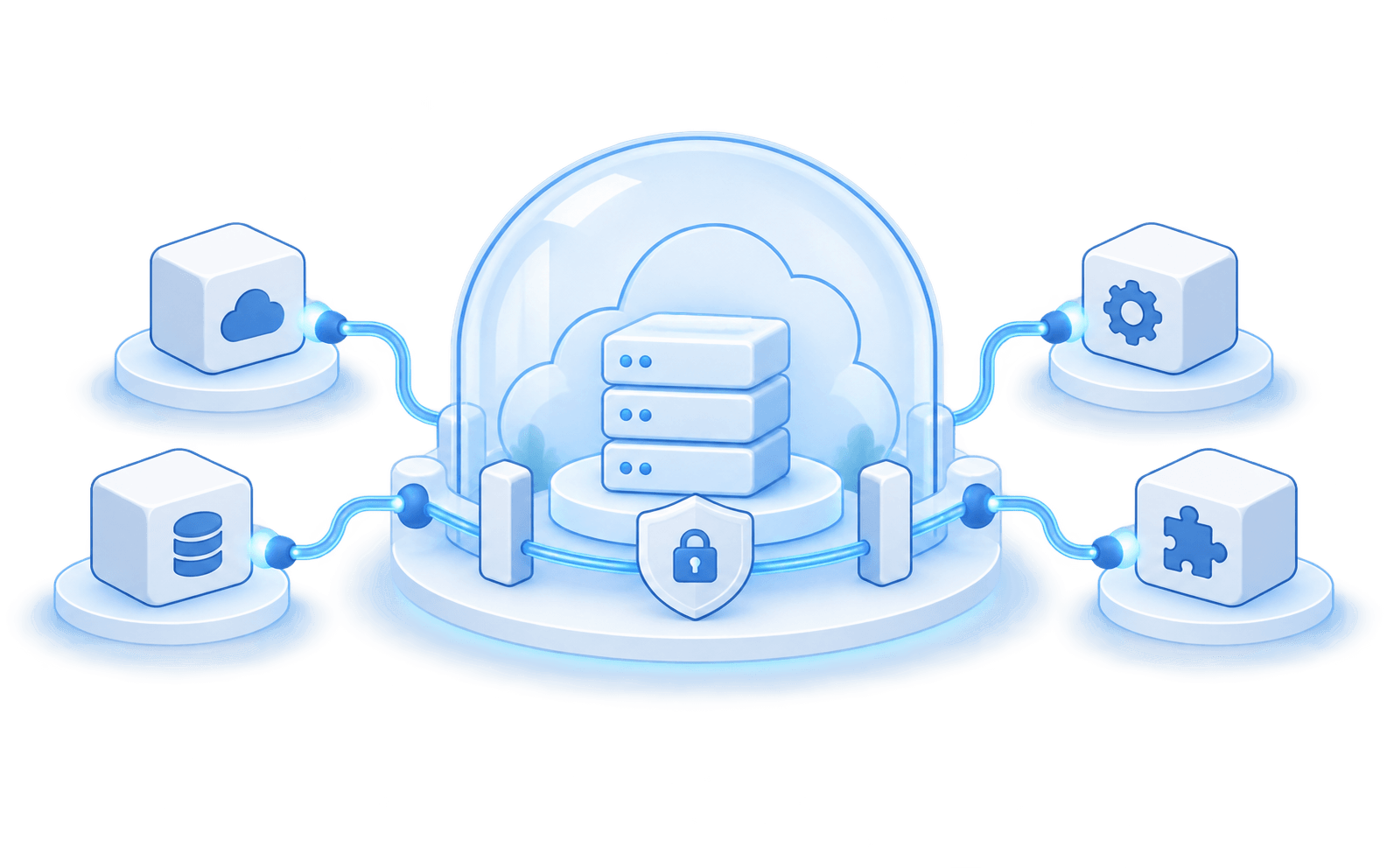
for organisations where continuity of existing assets comes first
Projects are managed by deliverables, not by phases
A project with nothing but a schedule can tell you whether it is late, never what has been decided. ECHOIT defines each phase's exit condition as a deliverable and an approver, and does not start the next phase until that deliverable is approved. Below are the exit conditions we apply against the six phases of the SAP Activate methodology; tasks and deliverables are managed together in SAP Cloud ALM, which is included in the subscription.
Assess the current state, define the goal
We measure the system inventory, custom code usage history, and data volumes.
Deliverables- Assessment report
- Edition recommendation
Fix scope and governance
Scope, approval steps, and risk management criteria are agreed in writing.
Deliverables- Project charter
- RACI
Fit-to-Standard
We verify fit against the standard and separate gaps into extension requirements.
Deliverables- Gap list
- Extension design rules
Build and integration testing
Configuration, extension development, migration rehearsals, and integration tests, repeated.
Deliverables- Test results
- Migration verification
Cutover and stabilisation
We cut over to the plan and manage the stabilisation measures.
Deliverables- Cutover plan
- Stabilisation report
Operations and continuous improvement
Upgrades are applied and system status is monitored through SAP Cloud ALM.
Deliverables- Operations handover
- Monthly report
What ECHOIT takes on
SAP provides software, infrastructure, and technical services under a single SLA, and the partner takes on advisory, implementation, and application management. Below is that scope expressed as ECHOIT's exit conditions.
Advisory — review
We measure the current system inventory, the real usage history of custom code, and data volumes, to give the edition and migration approach a basis. The official SAP Digital Discovery Assessment is run alongside.
- assessment report
- edition recommendation
Implementation — build
Each phase's exit condition is a deliverable and an approver, and scope changes are handled only on the record. Data migration is verified over at least three rehearsals.
- test results
- migration verification
Managed Service — operations
Build deliverables are carried forward as operating documents and managed on the same basis. System status and interfaces are monitored in the SAP Cloud ALM operations apps.
- monthly operations report
- improvement backlog
Five questions before the review starts
The detailed criteria and the licensing explanation come with the consultation, matched to your situation.
Start with how much of the existing ECC estate must be kept and how far the standard can be adopted. A standard-led new implementation points to Public; where continuity of existing assets matters, the review moves to Private.
Compare Public and PrivateA greenfield build on standard processes points to Public; continuity with existing ECC assets points to Private. The edition follows from the assessment of your current system and how far your organisation can adopt the standard.
See how to choose an editionThe end-of-support date depends on the product you run today and on your contract terms. Pin down your system version and migration constraints first, then check the timeline in the SAP Cloud ERP Private review.
See the ECC maintenance timelineWe analyse how custom code is actually used and what it affects, then sort it into keep, replace, or retire. The standard core stays protected, and the extensions you still need are reviewed as side-by-side options such as BTP.
See the clean core approachStart with user roles, process scope, interfaces, data migration scope, and operating conditions. Compare not just licences but build, migration, and run costs over the same scope and the same period.
Request a consultationStart the review with the official SAP Digital Discovery Assessment
A free assessment run during the Discover phase of SAP Activate. You get a report with the recommended edition, scope items, and an estimate of the effort involved.